Refuge and Reconstruction
Read more
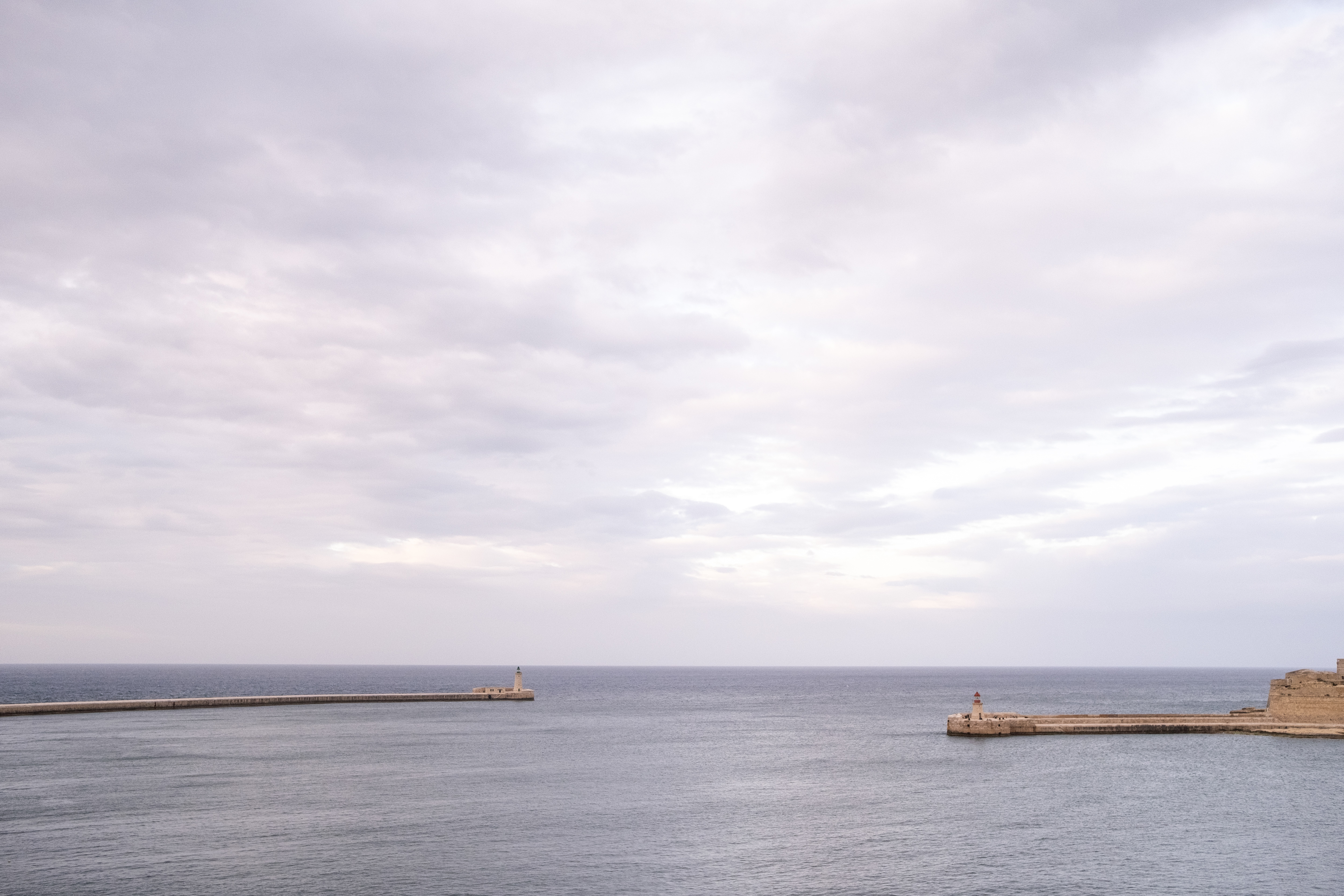
In the centre of the Mediterranean, Malta, with an area of 316 square kilometres, encapsulates many of the contradictions currently facing Europe. The archipelago had a population of nearly 590,000 at the end of 2025, a figure whose growth is partly driven by migration. Whilst arrivals by sea have fallen significantly in recent years, Malta remains on the front line when it comes to receiving people seeking protection. This decline does not, however, eliminate the challenges associated with asylum, accommodation and the integration of those now living on the island.
When Martin Bertrand began this project, the intention was to document how this small island nation was dealing with migration in the Mediterranean. He wanted to meet the people being received, observe the systems put in place and recount the human consequences of European migration policies. Over the months, the focus of the project gradually shifted. It was no longer simply about documenting people’s arrival and the waiting that followed, but about understanding what comes afterwards.
To explore these questions, Martin Bertrand worked with several Maltese organisations—including the Migrants Commission and its Welcoming Centre in Balzan, SkateUni and Spark15—and documented the surroundings of the state-run centres in Ħal Far, geographically isolated places far from Malta’s main urban centres and everyday life. Photographing these spaces and their surroundings reveals how architecture, roads, fences and landscapes also contribute to the experience of waiting and exclusion.
The exhibition is designed as a journey through these different spaces and aims to offer a counterpoint to the usual portrayals of migration in the Mediterranean, which are often limited to boats, borders and emergency situations. It tells the story of what happens afterwards: how people wait, learn, form bonds and gradually regain control of their own lives.
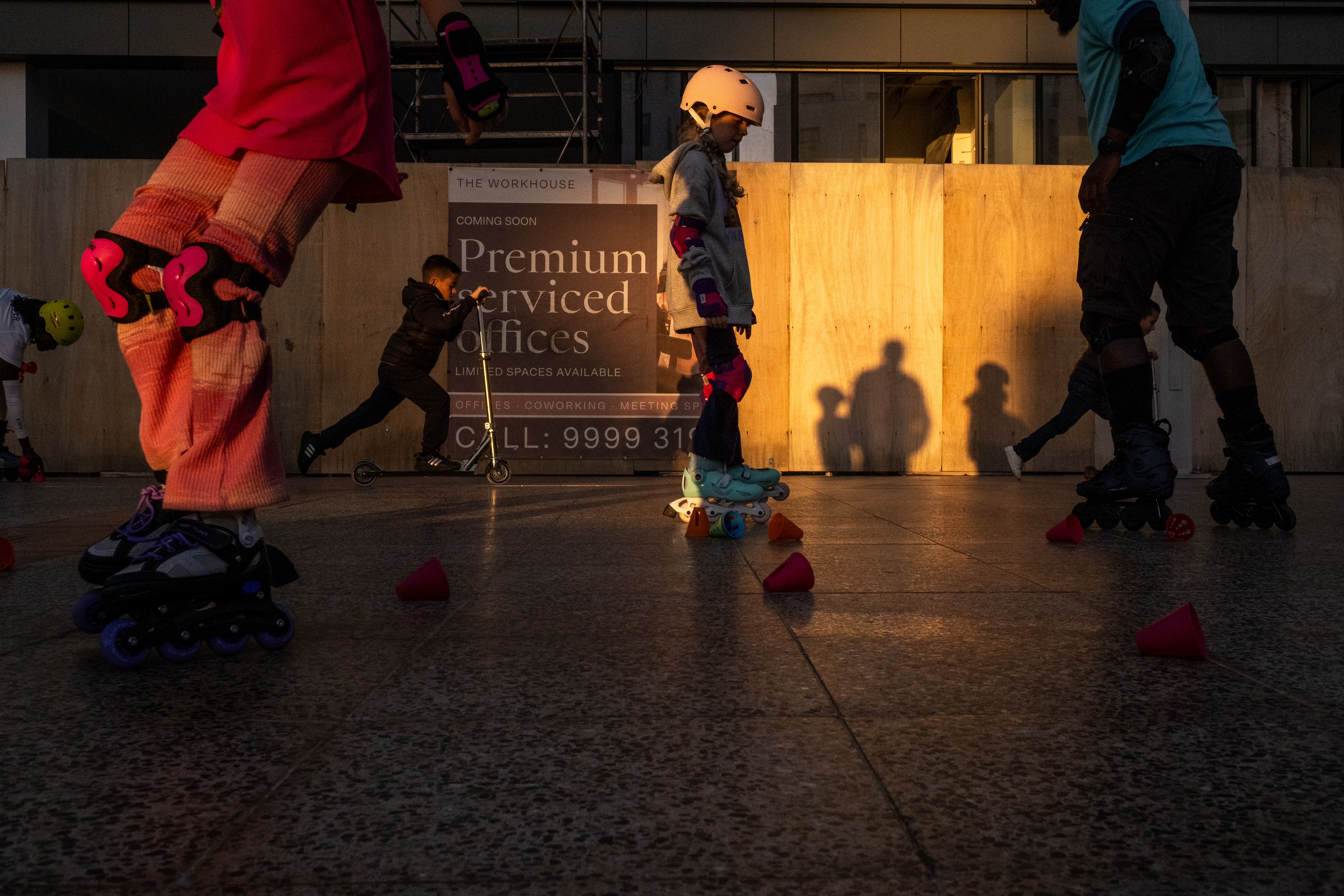
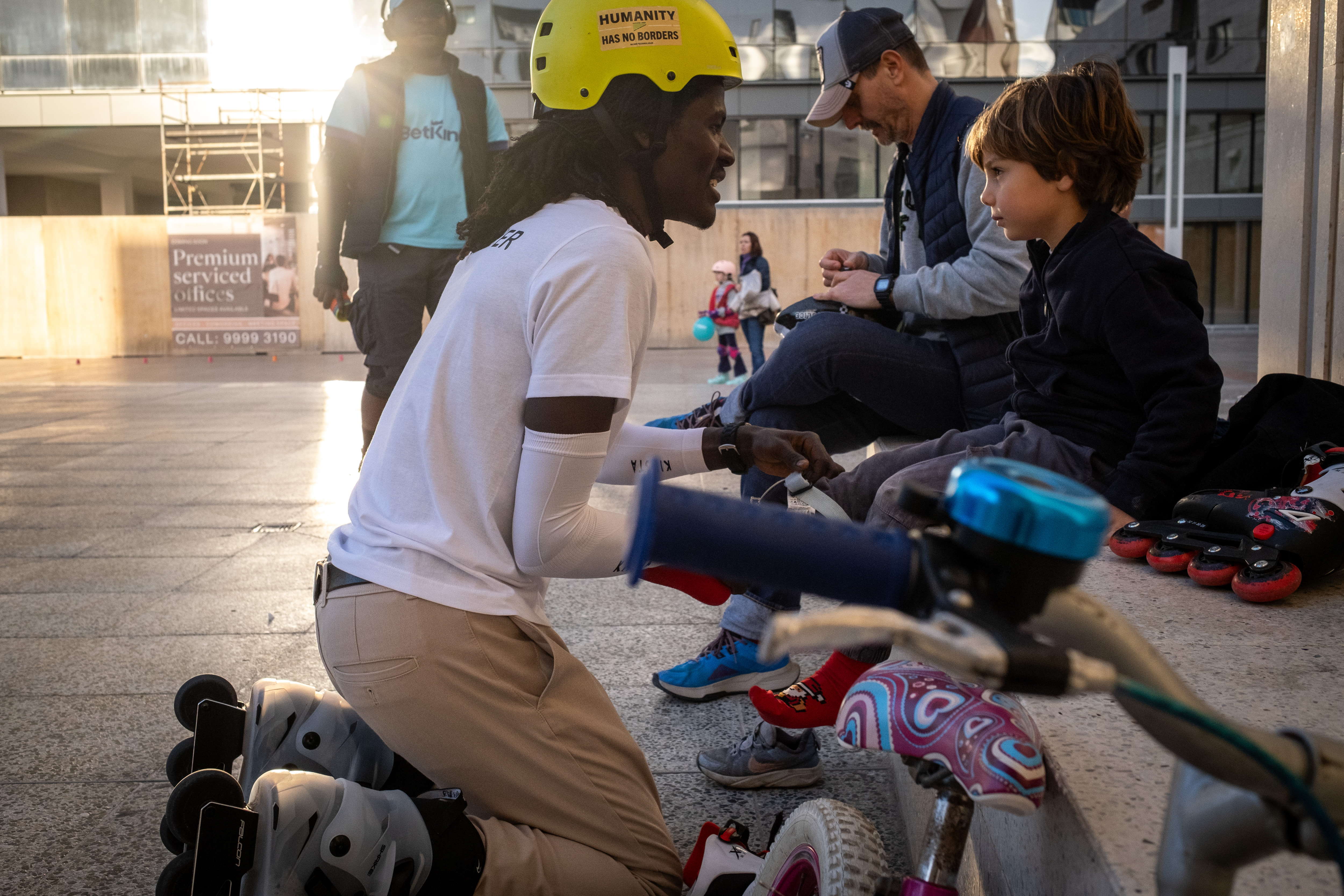
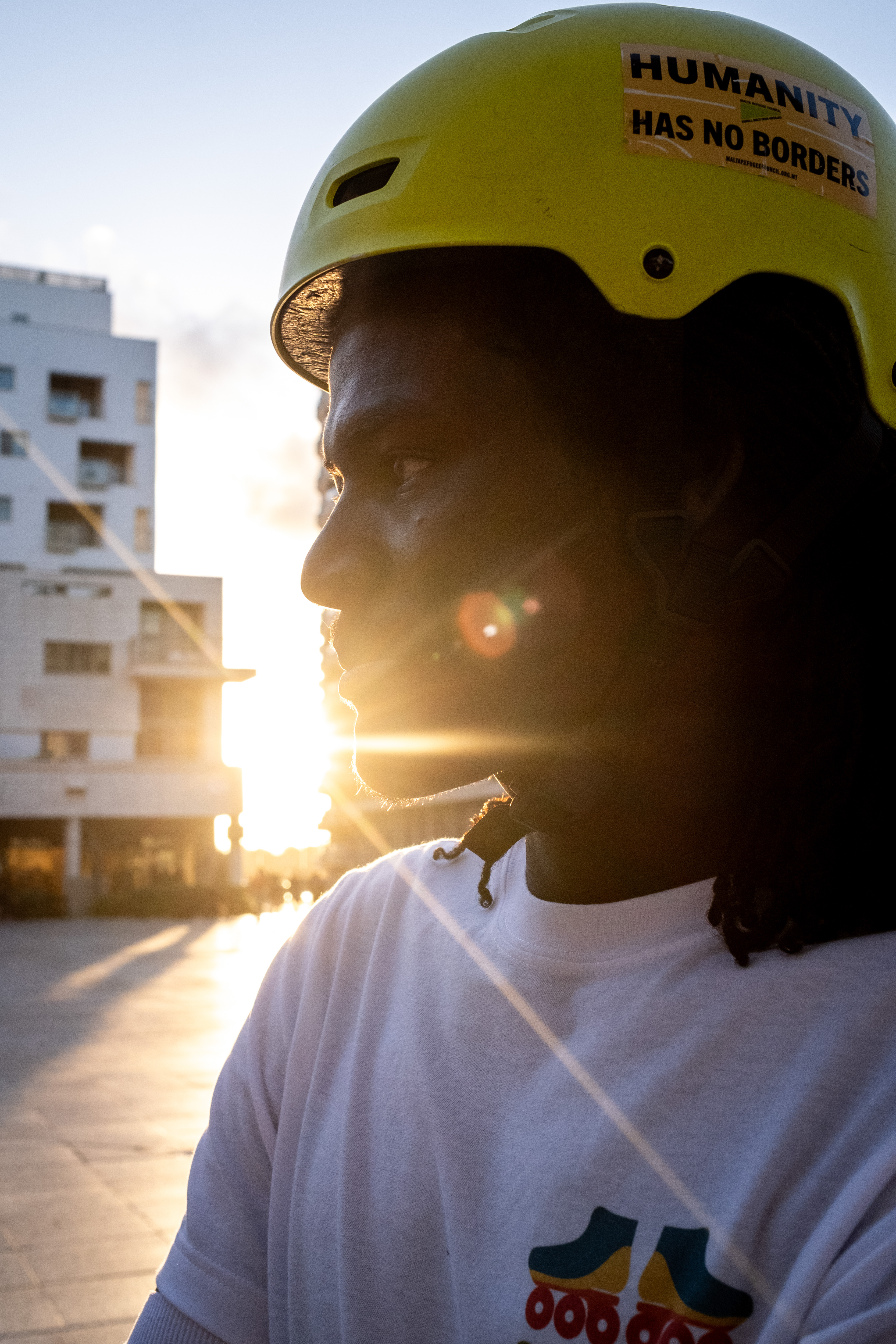
SkateUni session at Tigné Point in Sliema, 17 January 2026.
Adam, a Sudanese refugee living in Malta, founded SkateUni as a community project built around skating, confidence and connection. Bringing together refugee and non-refugee youth, the initiative creates a shared space where young people learn, support one another and build relationships across different backgrounds.
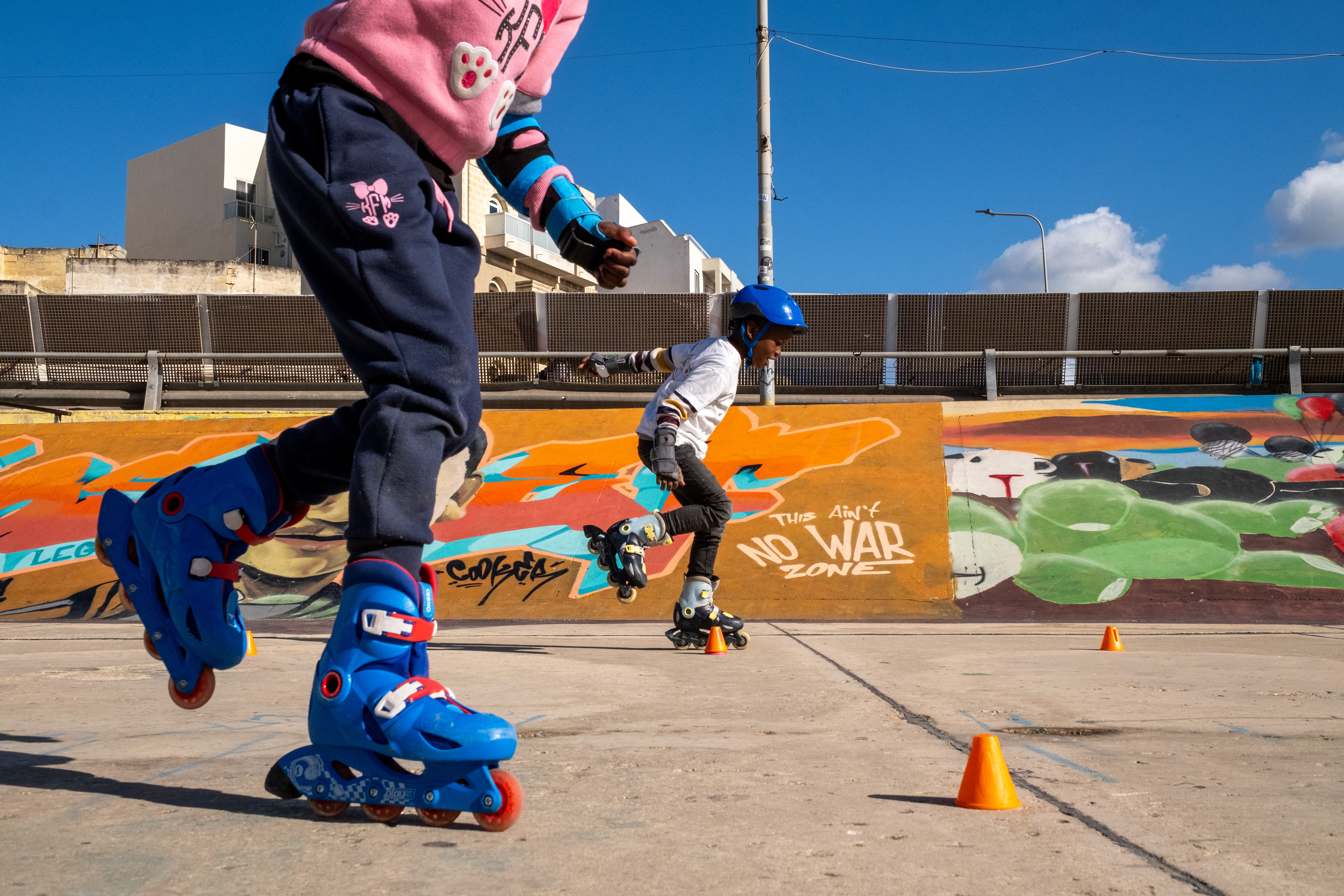
SkateUni tournament at Msida Skate Park, 28 March 2026
Read more
For Adam Azraq Saidjem, learning to skate often begins with a fall. A child is afraid of falling, hesitates, then eventually gets back up and tries again. Through repeated attempts, they gain confidence. “That’s when I realised that roller skating can teach you much more than just technique. It can instil patience, discipline, confidence and resilience.”
Known on social media as Adam Skater, he is the founder of SkateUni, a free and inclusive rollerblading community he has built up in Malta. The project began as a personal passion. Adam says he was captivated by the sense of freedom and movement that rollerblading gave him. Gradually, the sport became a way to meet others and, ultimately, to bring them together.
Today, SkateUni organises sessions in various locations across the island, open to beginners and experienced skaters alike. Children, parents, Maltese families and refugees come together there, including some who have lived at the Ħal Far open centre. “We may have different backgrounds, cultures and experiences, but when we put on our roller skates, we become one community.”
This sense of community lies at the heart of SkateUni. Sport provides a way of communicating that does not depend on everyone speaking the same language. You learn to stand up, you help those who fall, and you celebrate others’ progress. Simple gestures which, according to Adam, gradually help to break down other barriers. SkateUni therefore aims to offer more than just a sporting activity: a space where everyone can take part at their own pace, meet other people and find their place.
Continue reading
Everything is free. The charity still operates largely thanks to volunteers, donations and equipment donated by members of the public. Roller skates, helmets and protective gear are redistributed so that the cost of equipment does not become a barrier to participation. SkateUni also collaborates with Spark15, a community organisation driven in particular by people from migrant backgrounds, which helps it to organise and develop its activities.
However, the organisation’s long-term viability remains precarious. The more the community grows, the greater the need for equipment, transport, supervision and suitable venues. Adam hopes to organise more sessions and events without losing what he describes as SkateUni’s ‘family spirit’.
He prefers to remain discreet about his own migration journey. Adam simply agrees to talk about having spent a few months at the Ħal Far open centre after his arrival in Malta. It was a period that made him realise just how important encounters, opportunities and a sense of belonging to a community can be when going through a difficult time.
Malta has since become his adopted country. There, he has built friendships, developed SkateUni and found other forms of expression, notably through modelling and creative projects. His personal experience, however, remains closely linked to the philosophy he now seeks to convey. “Everything I’ve been through has taught me that one person can make a difference, but that a community can make an even greater one.”
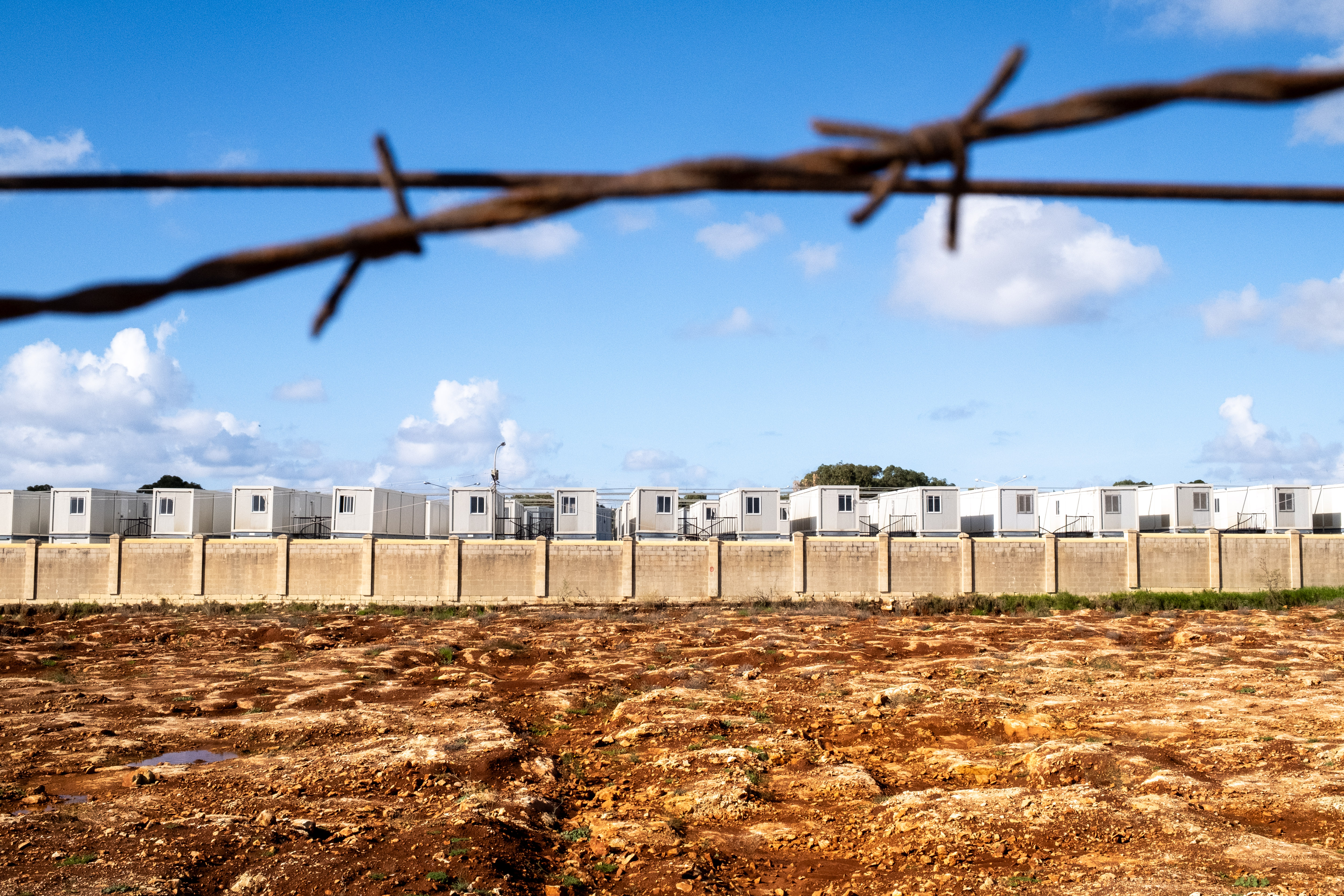
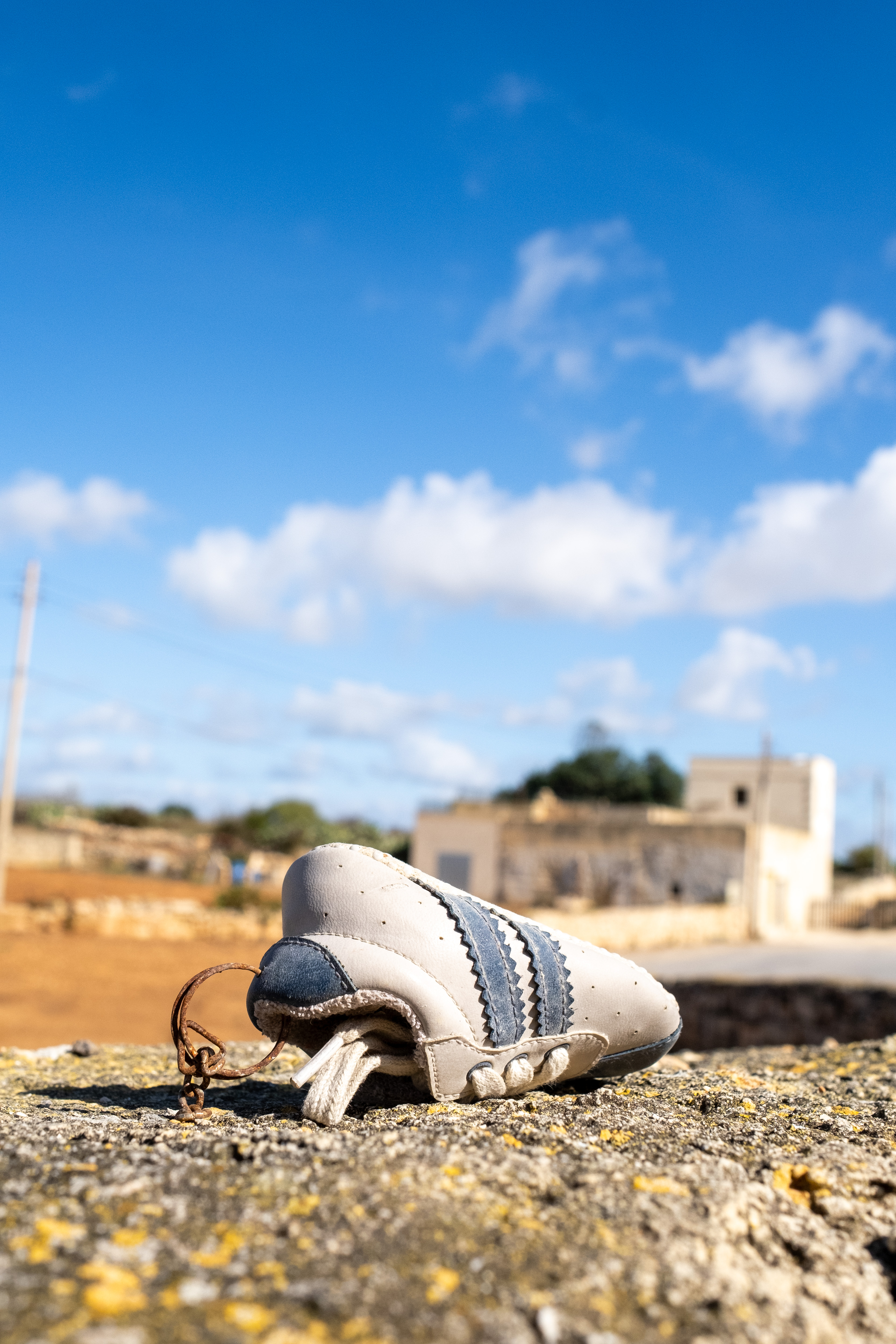
A tour of the area surrounding the state-run reception and detention centres for refugees in Ħal Far, accompanied by Mario Gerada, Head of Programmes and Pastoral Care at the Migrants Commission, on 17 October 2025.
Read more
For more than twenty years, Ħal Far has played a significant role in Malta’s system for receiving asylum seekers. In response to the increase in arrivals via the Mediterranean in the early 2000s, the government gradually developed several facilities there. In particular, the Ħal Far Tent Village opened in 2006, before the management of the open centres was taken over by the Agency for the Welfare of Asylum Seekers.
The photographs show one of these accommodation areas, where prefabricated units and shipping containers serve as housing. This type of facility has regularly been criticised for its living conditions, particularly due to the heat in summer, the cold in winter, overcrowding and the site’s geographical isolation.
Ħal Far is situated some distance from the main urban centres and brings together, within the same area, open reception centres and detention facilities – separate from one another but part of the same landscape dedicated to migration management.
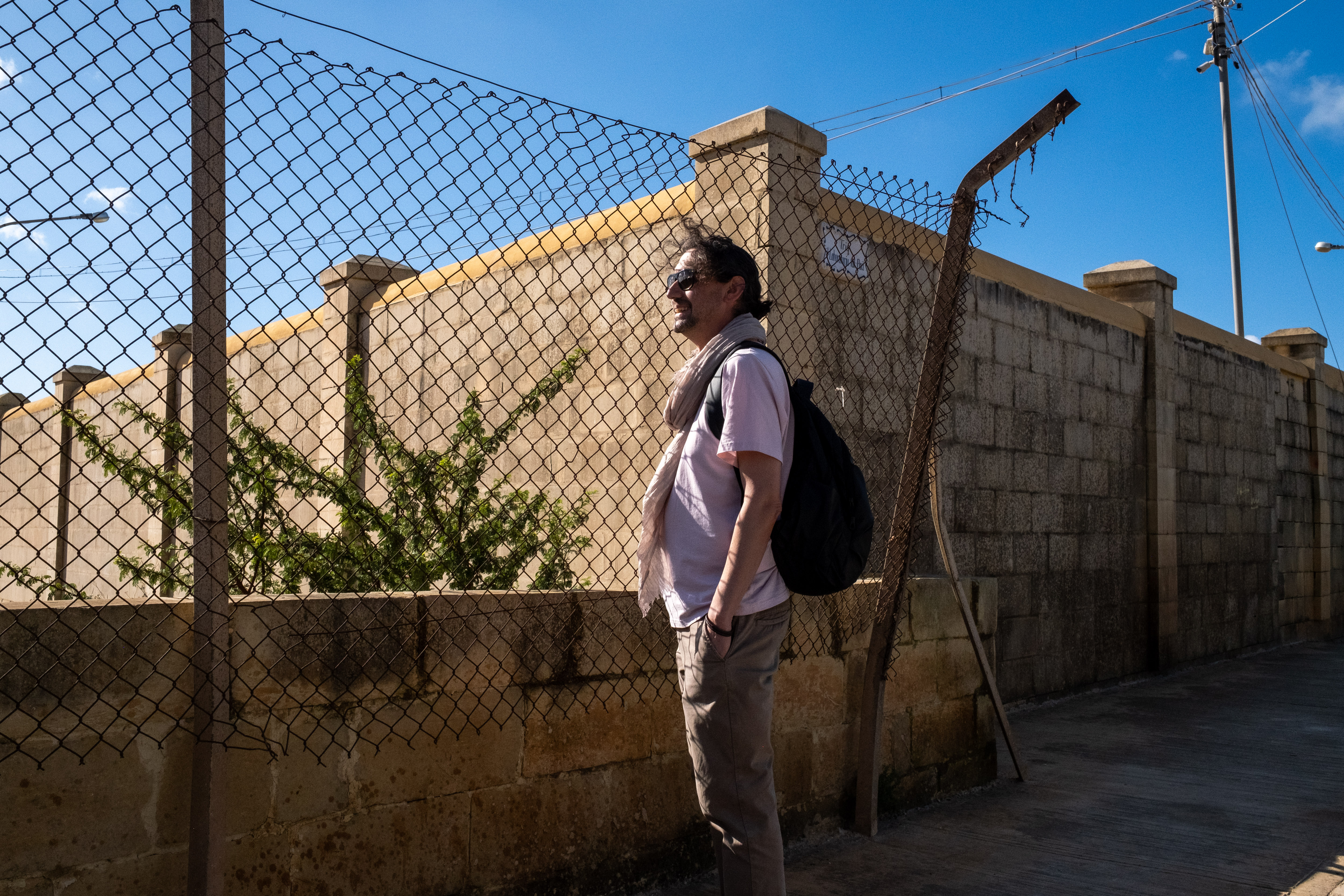
Mario Gerada has known Ħal Far since well before he joined the Migrants Commission in 2021. Trained as a social worker, he began his career working in child protection and supporting people struggling with addiction. From 2004 onwards, his work with NGOs gradually steered him towards human rights advocacy, migration and international development.
Read more
It was in this context that he spent several years working in Maltese detention centres. At Ħal Far, his work took various forms: cultural orientation courses, social support and pastoral visits. “I’d never planned to work in the field of migration. It just happened that way,” he sums up.
Mario emphasises an important distinction: in his view, detention centres are not reception centres. In Malta, detention has notably been used as a matter of course for people who have arrived irregularly by boat and wish to claim asylum. These facilities are also situated in military zones, at Ħal Far or Ħal Safi, far from the main urban centres.
Before 2020, Mario was able to gain access as part of his work. He describes the conditions back then as ‘extremely difficult’, with shared dormitories offering little privacy, inadequate sanitary facilities and problems accessing clean water. The inability to store food was a particular problem during Ramadan. Residents were not allowed to leave the section in which they were housed at will.
Continue reading
At the time, NGOs were still able to enter to inform people about asylum procedures, organise activities or provide social and religious support. Since the Covid-19 pandemic, this access has been significantly restricted. Mario explains that NGOs no longer have access to detention centres, with the exception of certain lawyers under very strictly regulated conditions. He himself, despite his requests, is no longer allowed to enter.
For him, this closure raises a broader question about control over these spaces and the way in which Europe organises the reception of migrants. Nor does Mario see Malta as an isolated case. He cites comparable situations in Greece and Bulgaria and believes that this type of management has gradually become an accepted way of dealing with irregular migration in Europe.
His assessment of the situation in Malta is more nuanced. He notes greater awareness and a better understanding of forced migration, particularly amongst certain sections of civil society and the media. But he does not believe that racism or xenophobia have diminished. In his view, migrants continue to be regularly used as scapegoats in the political debate.
This complexity also explains why Mario continues to work in this field. “Working on migration helps me to understand the world better, to remain humble and to keep learning.” In his office, the consequences of conflicts, climate change or the collapse of entire communities are sometimes condensed into a single conversation with one person. His role involves working with each person to find where hope might still lie.
Today, this work continues within the Migrants Commission.
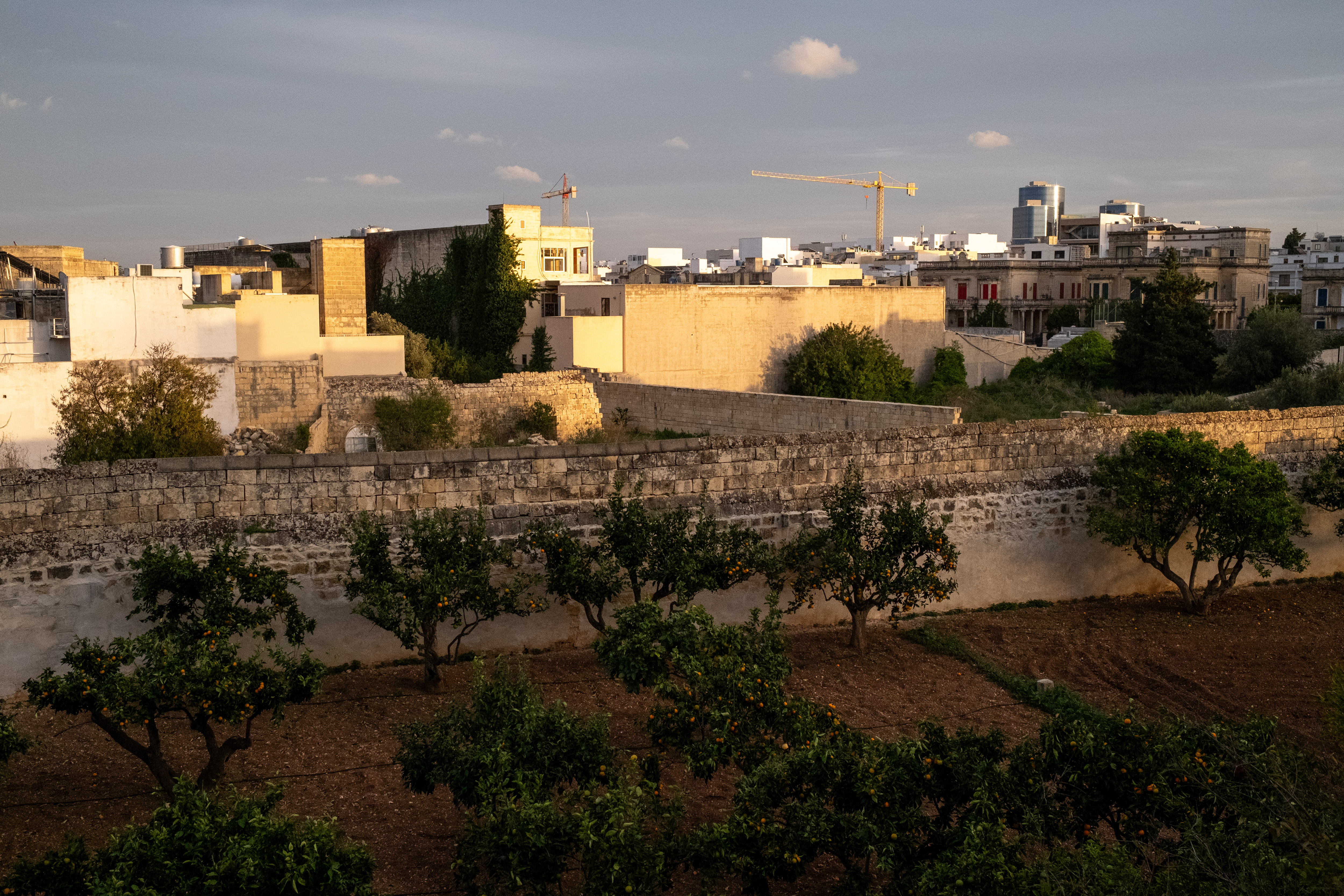
In Balzan, in the heart of Malta, the Migrants Commission’s Welcoming Centre provides shelter for migrants facing extremely precarious circumstances. During my first visit in November, 23 residents were living in this large house, which is divided into two areas: one for families, single women and single mothers, and the other for homeless men.
Read more
Here, the immediate priority is very practical: to provide temporary shelter, food and clothing to people who sometimes have nowhere else to go. But the centre’s main aim is to help them gradually regain a stable situation.
Anna Maria, who manages the Welcoming Centre, explains that she works with each resident to draw up ‘a personalised plan’. Whether it involves looking for work or accommodation, training, healthcare or dealing with administrative procedures, the support provided depends on each person’s individual situation. Accommodation thus serves as a starting point – a period of stability during which people can begin to rebuild their daily lives and regain a greater degree of independence.
The centre is one of several services offered by the Migrants Commission, which also provides social support and free legal advice. Mario Gerada, who has been Head of Pastoral since 2021, works in particular with the various migrant communities in Malta and advocates for their rights.
The Welcoming Centre thus exemplifies a different approach to reception. Located a few kilometres from the isolated state-run facilities at Ħal Far, its aim is no longer simply to provide accommodation for people, but to give them the time and the means to regain their independence and shape the next stage of their journey in Malta.
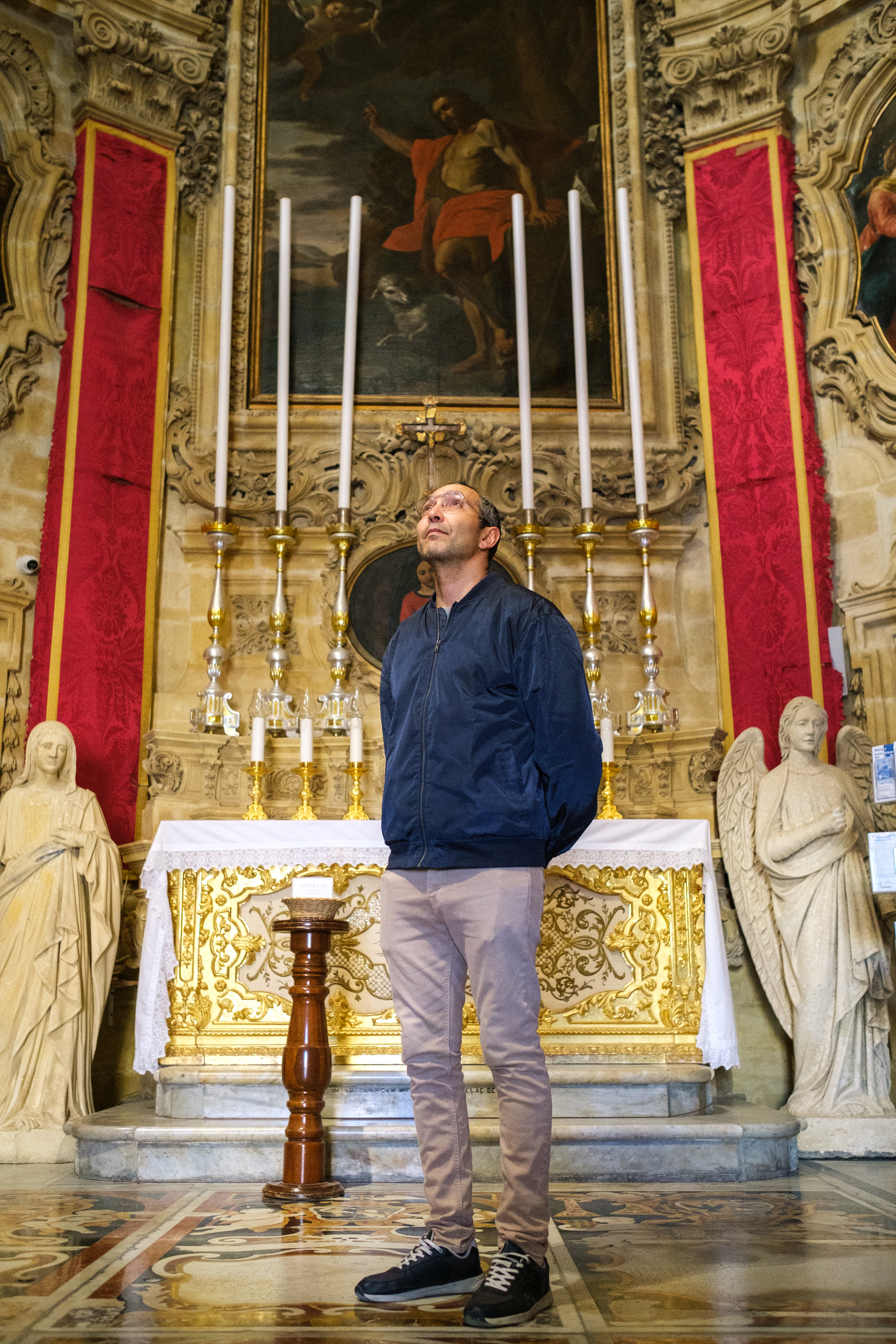
This portrait of Zied Gaaloul was taken in the grand rotunda of Xewkija, in Gozo, one of the island’s most monumental churches. This setting is far from insignificant for this former Tunisian tour guide who has now become a guide in Malta, given the important role that religious heritage now plays in his professional life.
Read more
Just a few months earlier, Zied was still living in a Migrants Commission accommodation centre – a situation he would probably never have imagined a few years earlier. In Tunisia, he had been a professional tour guide for nearly twenty years, showing visitors around the country’s historical and natural sites. “It wasn’t me who chose Malta; it was Malta that chose me,” he sums up.
In 2023, as Tunisia’s economic situation deteriorated against a backdrop of political instability that had persisted since the 2011 revolution, he received an offer to work as a tuk-tuk driver and guide in Gozo. After a brief spell in Saudi Arabia with his wife and son, he accepted. He was familiar with the Mediterranean, and Malta did not seem so foreign to him after all.
For a year and a half, he drove tourists around Gozo. His customers’ repeated comments on the quality of his explanations eventually sparked an idea: to return to being a full-time tour guide, this time in Malta. Zied then enrolled at the Institute of Tourism Studies to prepare for the Higher National Diploma in Tourist Guiding. History, archaeology, art history, languages and field trips formed the backbone of an intensive one-and-a-half-year course.
On paper, his experience gave him a head start. He speaks seven or eight languages to varying degrees, including Arabic, Tunisian, French, German, English, Italian and Maltese. His German, which he studied at university, now enables him to work regularly with German-speaking groups, whilst his command of French is another asset in a sector dominated by English.
But in Malta, his main obstacle does not lie in his books. As a national of a country outside the European Union, Zied has to pay substantial tuition fees whilst also covering a particularly high rent. He works alongside his studies, sometimes day and night. Added to this are the regular renewals of his residence permit, with procedures that can take several months. He jokes with his Maltese and European classmates: whilst they have to get one degree, he has to get two – one from ITS and one from Identità Malta.
Eventually, the pace wears him down and affects his attendance at lectures. He therefore accepts help from the Migrants Commission, which enables him to be accommodated in the Welcoming Centre of Balzan and means he no longer has to work solely to pay for his accommodation. He remains grateful to the organisation and its staff, even though he describes living arrangements that were at times difficult in a place housing people facing very challenging social circumstances.
Continue reading
His professional career in Malta has also been turbulent. Zied recounts an initial dismissal which he considers to have been unfair, followed by legal proceedings before the Maltese courts to recover unpaid wages. Another employer is said to have subsequently sent him a threatening message, warning him that he would be deported from the country following their dispute. Even today, despite holding a temporary trainee guide licence and working regularly with several agencies, his future depends on the renewal of his residence permit, the final award of his qualification and securing a contract commensurate with his qualifications.
This uncertainty weighs all the more heavily as his wife and son still live in Saudi Arabia. His son was three years old when Zied arrived in Malta; he is now seven. His aim is to bring his family over and continue their life together in Gozo.
Yet what strikes one most about his story is not so much the rejection as the attachment he has developed for the island. In the language, history and certain aspects of Maltese heritage, Zied finds similarities with his native Tunisia. He quickly found Maltese accessible due to its similarity to the languages he already speaks. He says he has never felt completely alien to this culture.
One major difference remains, however: religion. Catholicism is omnipresent in Malta – in the churches, the festivals, the architecture, but also in the history that Zied now recounts to visitors on a daily basis. Saint Paul’s shipwreck, the Order of Saint John, the Great Siege, Baroque art and even Caravaggio feature in his guided tours.
The location chosen for his portrait thus takes on its full significance. Beneath the monumental dome of the Xewkija Rotunda, Zied stands amidst a Catholic heritage that he had to study in order to practise his profession and which he says he has gradually come to know and appreciate. Coming from a different religious background, he says he was initially surprised by the prominence of faith in Maltese society. His work and studies have led him to gain a better understanding of this aspect of the island.
Listen to Zied Gaaloul’s interview on France Culture about Caravaggio’s legacy in Malta.
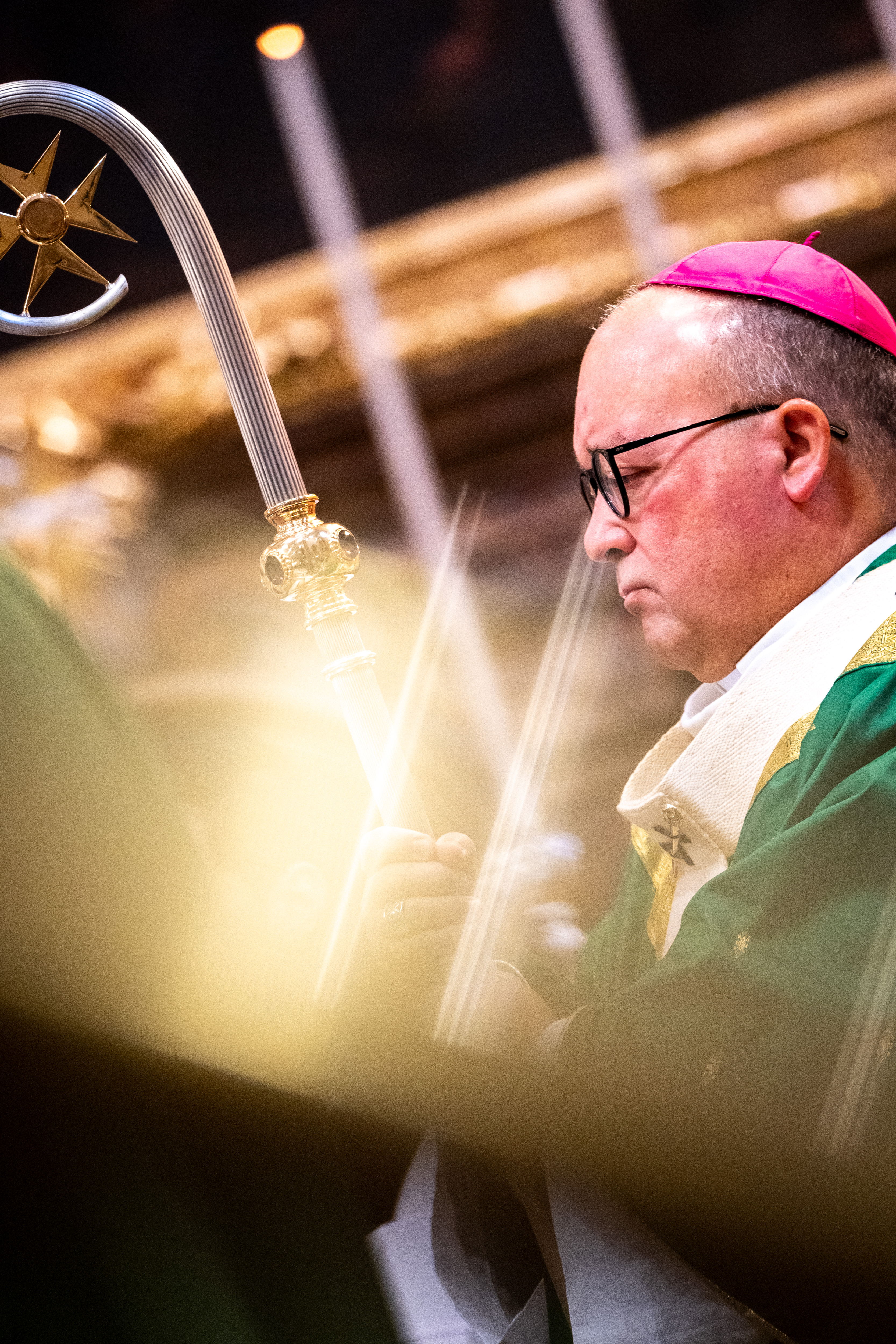
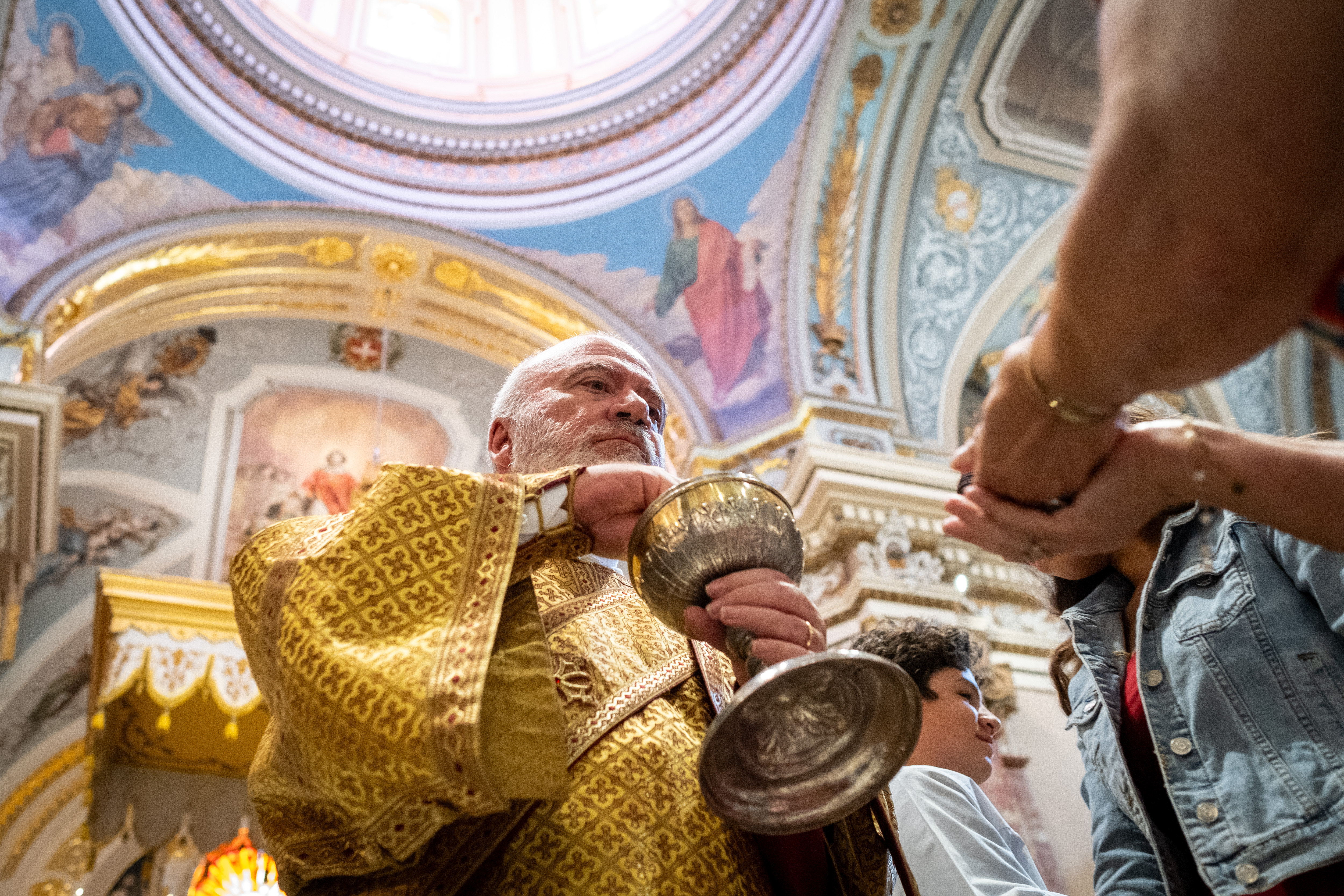
On 5 October 2025, the Collegiate Church of St Lawrence in Birgu hosted a Mass dedicated to migrants and refugees, presided over by Archbishop Charles J. Scicluna. Celebrated as part of the Catholic Church’s 2025 Jubilee, this televised Mass also marked the 75th anniversary of the Migrants Commission, an organisation affiliated with the Archdiocese of Malta.
Read more
This celebration lends a religious dimension to a mission which, in day-to-day life, is also profoundly social. In its Jubilee message, the Catholic Church calls, in particular, for migrants to be welcomed with respect for their dignity, for the most vulnerable to be defended, and for them to be given access to employment, education and a place in society. This vision is put into practice in Malta by the Migrants Commission through the provision of accommodation, social support, legal aid and integration work for migrants and refugees.
The Mass thus brings together several aspects of the role played by the Maltese Church in migration issues. Standing alongside the archbishop is, in particular, Deacon Jesmond Schembri, director of the Migrants Commission. In a country where Catholicism remains deeply rooted in its heritage and culture, welcoming the stranger is presented here not only as a humanitarian act, but as the concrete expression of Christian values of solidarity, dignity and hospitality.
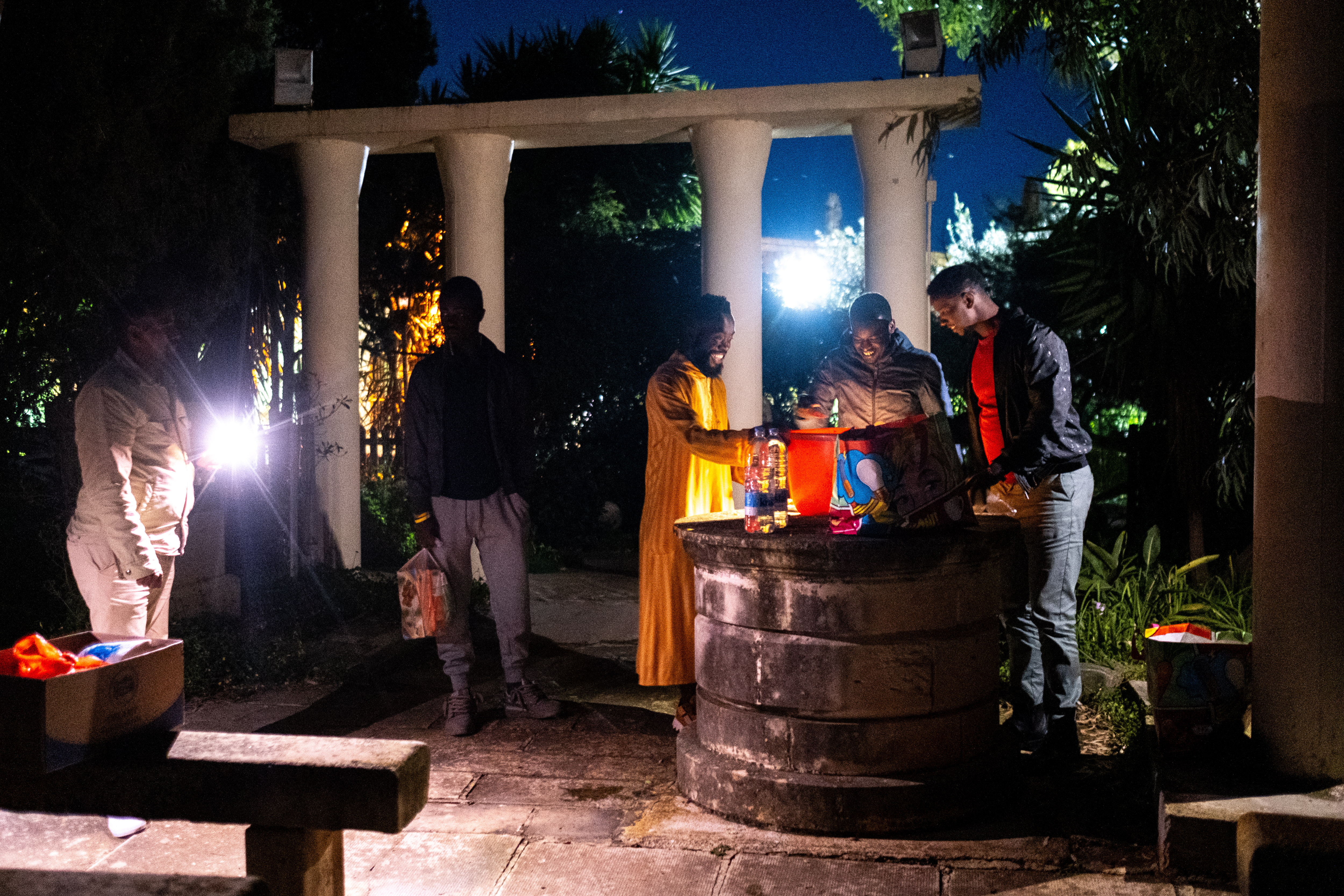
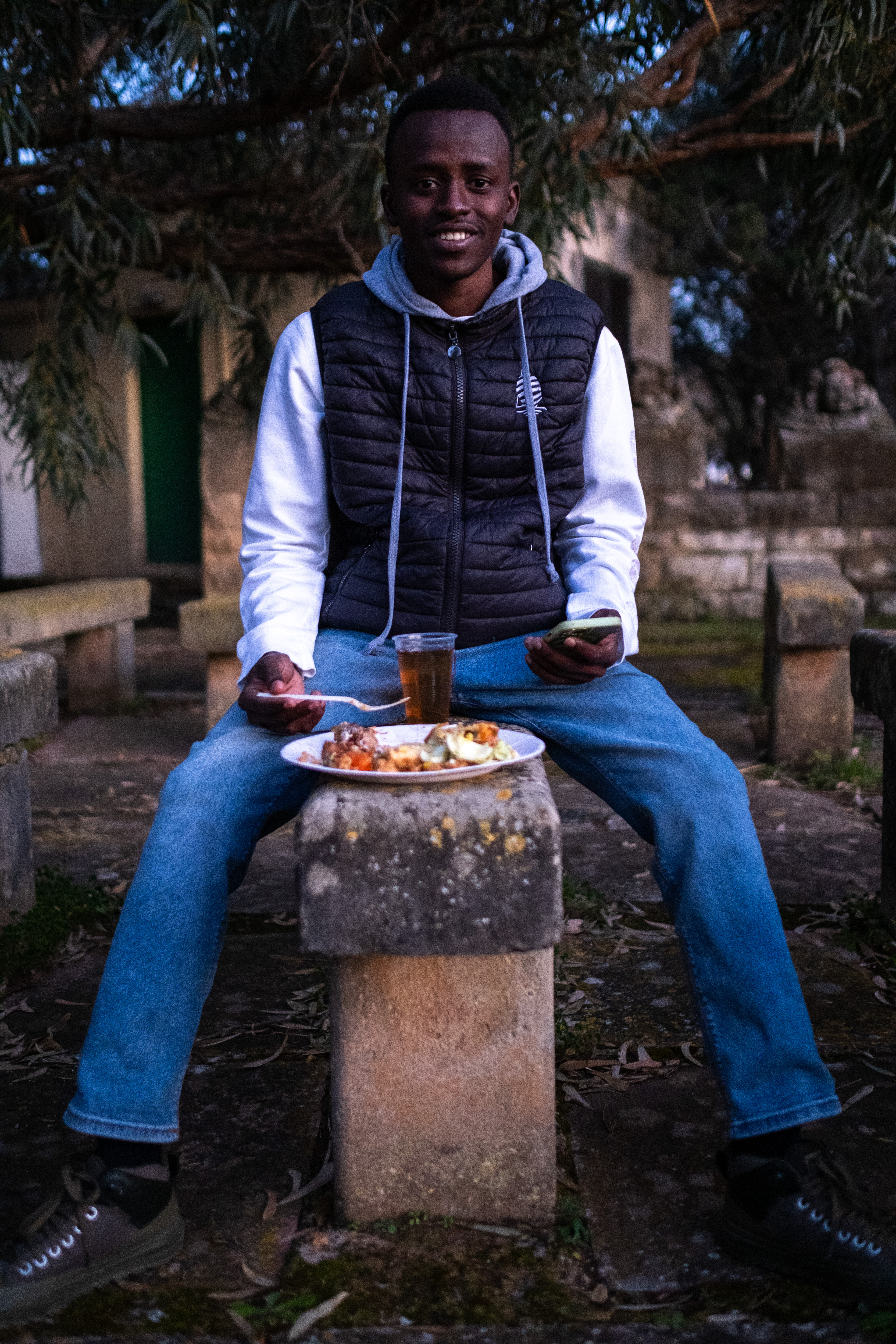
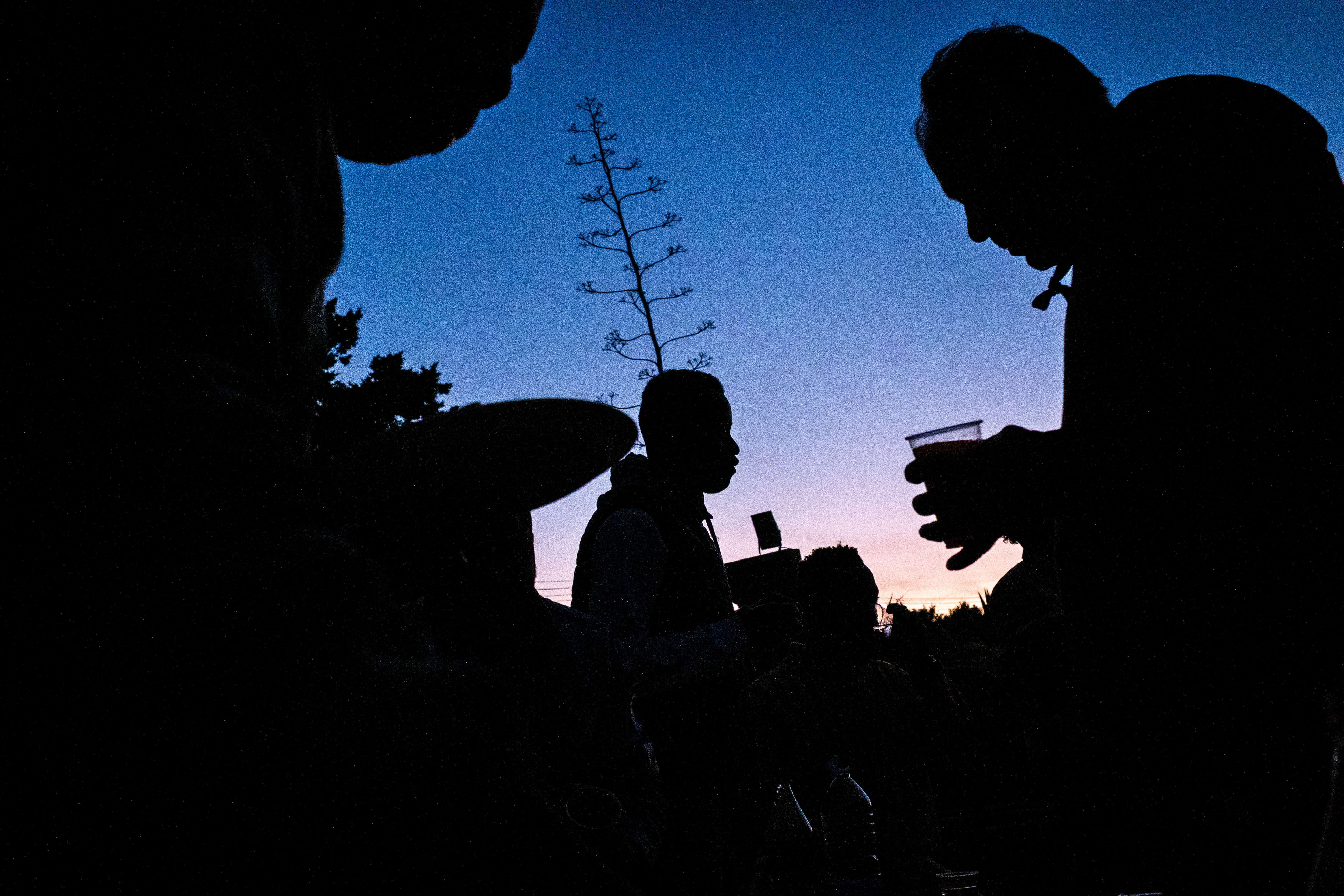
Just outside the Ħal Far open centre, this time at sunset. On 14 March 2026, during Ramadan, members of Spark15 distributed meals to residents of the centre for iftar, the breaking of the fast. It was a religious moment, but also a deeply social one. As the dishes are passed around, one of the founding ideas behind the organisation comes to life: creating opportunities for people to come together in a daily life where many live far from their families and loved ones.
Read more
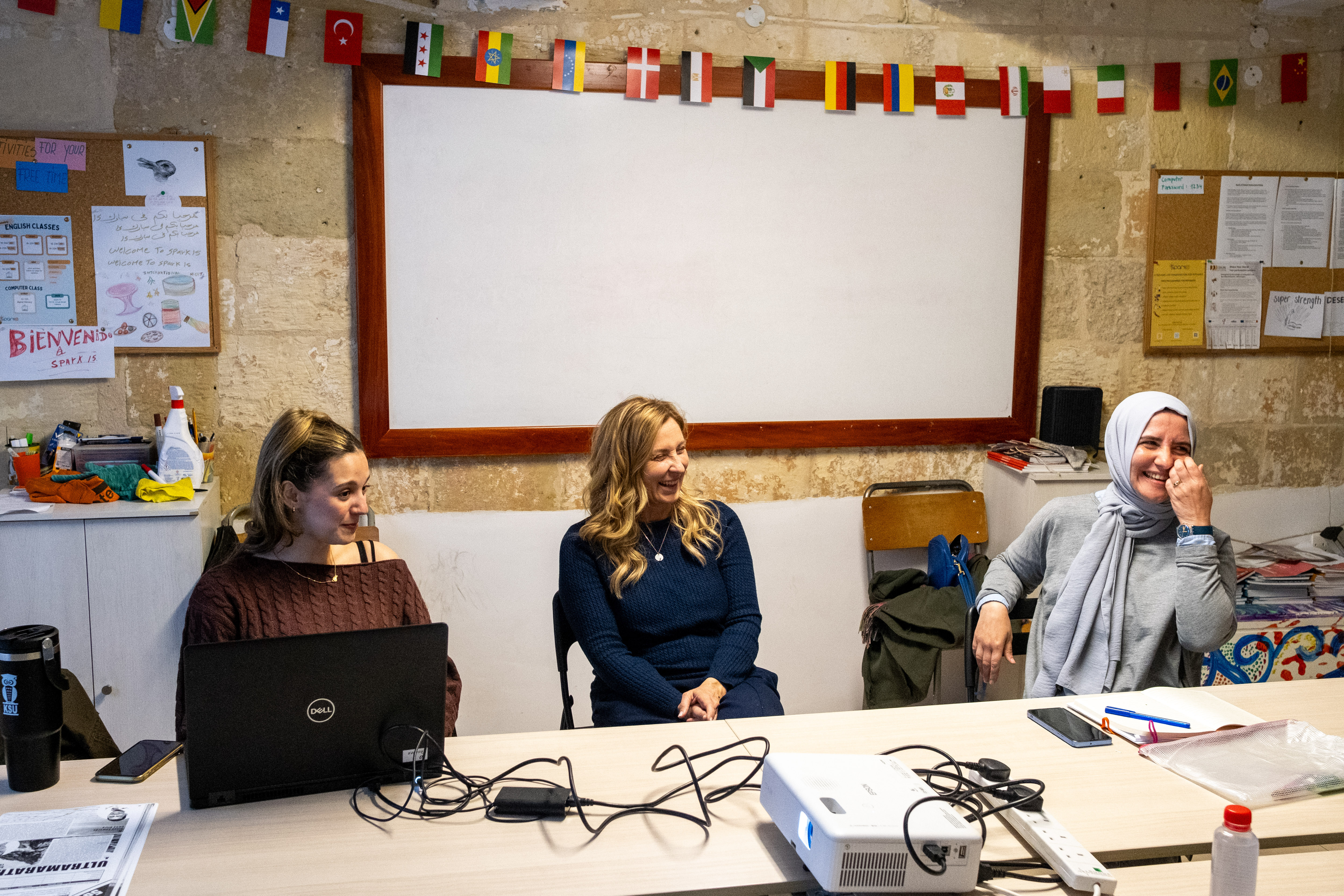
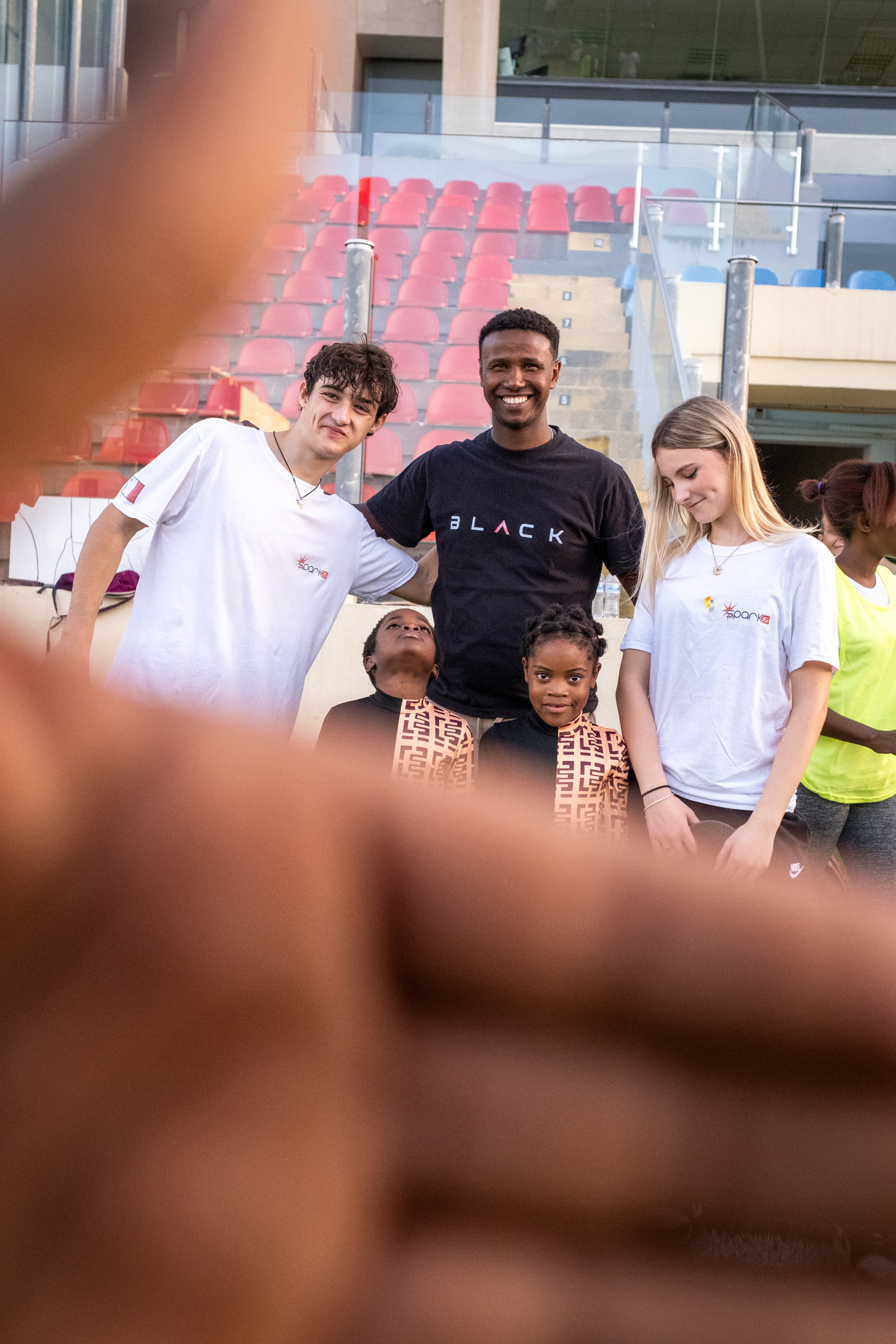
Spark15 was founded over ten years ago by a small group of young refugees and asylum seekers. Most had arrived in Malta by boat, often alone, with limited knowledge of English or Maltese. Some hoped to continue their journey to the United States, while others would eventually stay on the island. “Spark15 provided them with friendship, a community and a voice,” says Paul Galea, who is now the organisation’s secretary.
A teacher by training, Paul first joined an NGO simply because he wanted to volunteer. At the time, migration was a regular topic in the Maltese news, most often portrayed in a negative light. He wanted to understand what lay behind these narratives. He then began working with a group of young adults who would gradually form the core of Spark15. More than ten years later, he is still there.
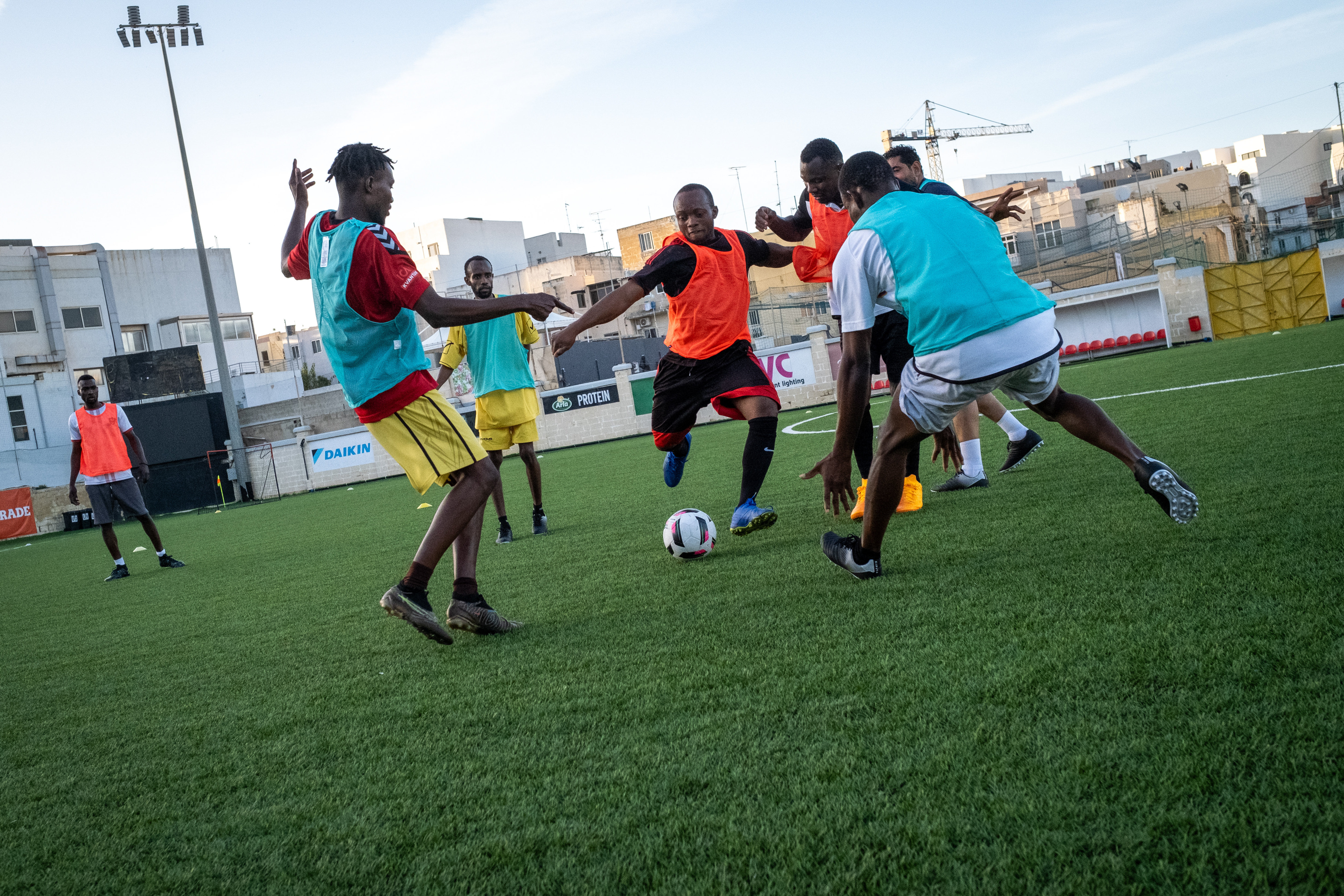
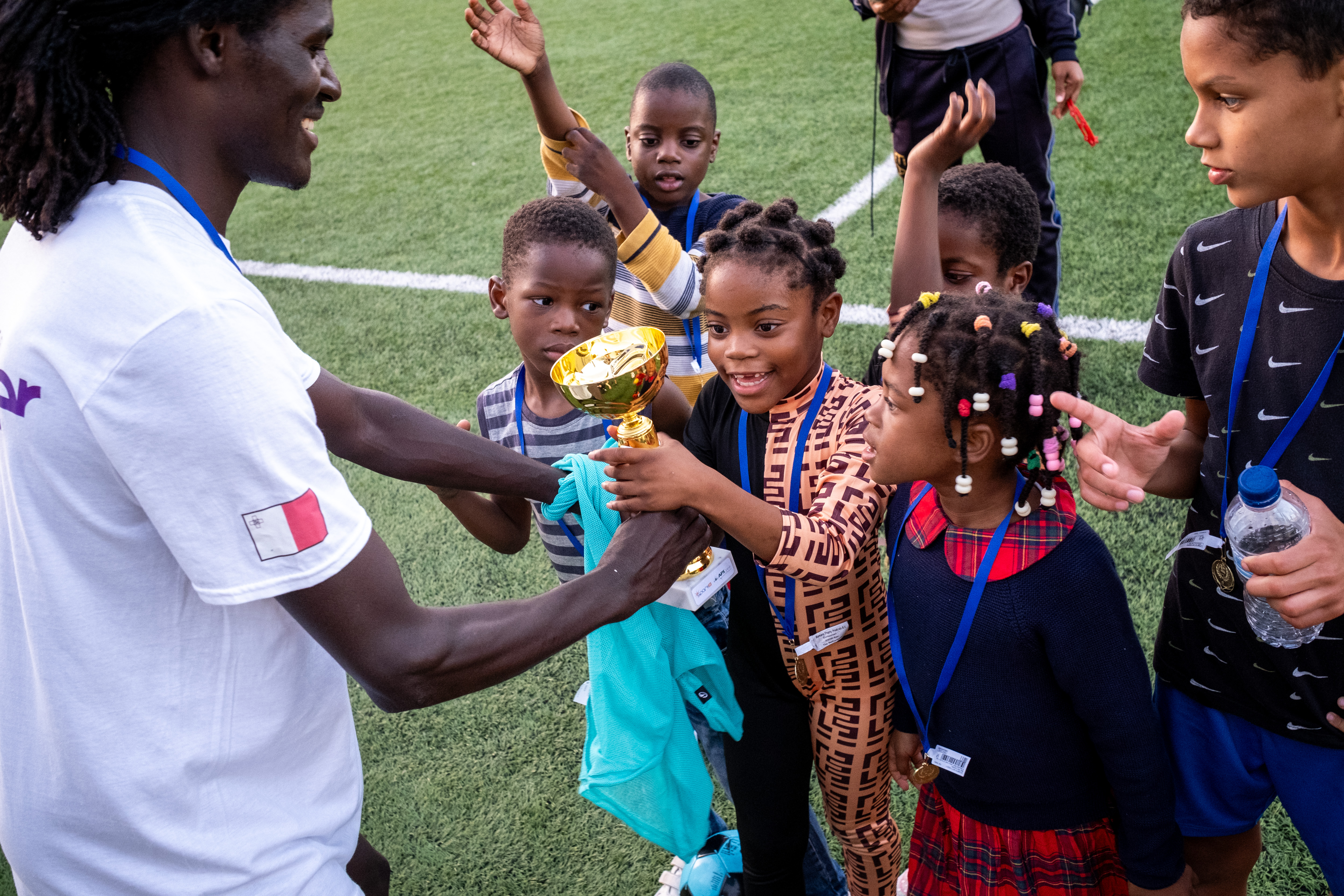
From the very beginning, the organisation chose to base its initiatives on the needs expressed by those directly affected. Three main areas quickly emerged: education, community gatherings, and advocacy. Sports were later added to the mix. English classes help people acquire the language skills needed to work or continue their education. Group activities help break down isolation. Advocacy efforts aim to bring attention to the difficulties refugees continue to face.
Continue reading
Spark15 even developed a programme in the past that enabled several refugees to attend university. But Paul now observes a shift: the community has become much more transient. Many people are staying in Malta for shorter periods and are seeking to move on to other European countries, particularly due to the delays in asylum procedures and administrative uncertainty. He believes that policies have become more restrictive and that racist rhetoric is becoming more prevalent, although he also emphasises the existence of significant solidarity within Maltese society.
The organisation, for its part, operates with limited resources. It lacks volunteers, its funding remains precarious, and Spark15 cannot directly address major issues such as residency permits, citizenship, or housing. It therefore focuses on areas where it can have a tangible impact, as it did that evening in Ħal Far.
Read more
“Football isn’t just a sport, an English class isn’t just about language, and iftar isn’t just about food.” For him, these activities serve the same purpose: to bring people together, foster friendships, and build a sense of belonging.
Dursa knows firsthand how important that sense of belonging is. His own experience as a migrant deeply influences his perspective on integration. He knows what it means to arrive in a new country, adapt to an unfamiliar environment, and try to rebuild a life there. That experience, he explains, taught him the importance of meeting people who can offer support—but above all, who can provide opportunities.
This is also what, in his view, sets Spark15 apart from an organisation focused solely on providing aid. Dursa himself started out as a volunteer, gradually became involved in organising activities, supported the community, represented the association, and eventually became its president. Today, Spark15 proudly asserts its identity as an organisation led by young people and refugees. For Dursa, those who directly experience the consequences of migration policies must be able to participate in decision-making, lead their own projects, and make their voices heard.
He thus rejects the notion that refugees should be viewed solely as recipients of aid. “Behind every migration story, there is a person with hopes, skills, and ambitions.” His goal is not so much to create a dependency on aid as it is to build confidence and enable each person to become an active member of the community.
Continue reading
Yet many obstacles remain. In Malta, Dursa points to housing, employment, language and administrative procedures, all compounded by discrimination and social isolation. A job or a place to live is essential, but it is not always enough to build a life. For him, integration also depends on human connections. “When people feel connected, they gain confidence and participate more fully in society.”
His view of Malta remains nuanced. He notes greater awareness of migration issues and highlights the solidarity shown by many residents and organisations. But migration remains a sensitive and divisive topic. He also recognises Malta’s particular position in Europe: a small country at the centre of the Mediterranean. At the same time, he refuses to reduce migration to borders, flows and numbers.
On the ground, however, these major political debates seem far removed. A football is passed back and forth among players from very different backgrounds. Some have lived in Malta for a long time; others have just arrived. For Dursa, this is precisely where the idea behind Spark15 begins: to enable people to be defined not only by what they have been through, but by what they can now build together.